


Table of Contents
The Web is Evolving—Is Your Website Keeping Up?
Web design isn’t just about looking good—it’s about creating an experience. The way users interact with websites has changed, and modern design trends are shaping digital experiences that are faster, more engaging, and more impactful. If your website still looks like it belongs in 2020, it might be time for a refresh.
From dark mode to minimalist aesthetics and sustainability-focused designs, today’s top web design trends are setting the standard for what users expect. Let’s dive into the most significant website design trends you need to embrace to stay ahead of the curve.
Key Takeaways
- Minimalist aesthetics streamline user experience with clean, distraction-free design.
- Dark mode enhances readability, reduces eye strain, and creates a modern look.
- Micro-interactions add engagement and responsiveness, making user interactions more intuitive.
- 3D visuals and graphics boost engagement with immersive, dynamic elements.
- Sustainable web design minimizes energy consumption and improves site efficiency.
- Staying ahead of trends ensures a competitive and user-friendly digital presence.
Minimalist Aesthetics: Less is More (And More Effective)
Minimalism isn’t just a design choice—it’s a strategic move. Clean, clutter-free designs create a seamless browsing experience, allowing users to focus on what really matters: your content.
Brands like Apple and Airbnb have mastered minimalism with generous white space, simple typography, and intuitive layouts that enhance usability.
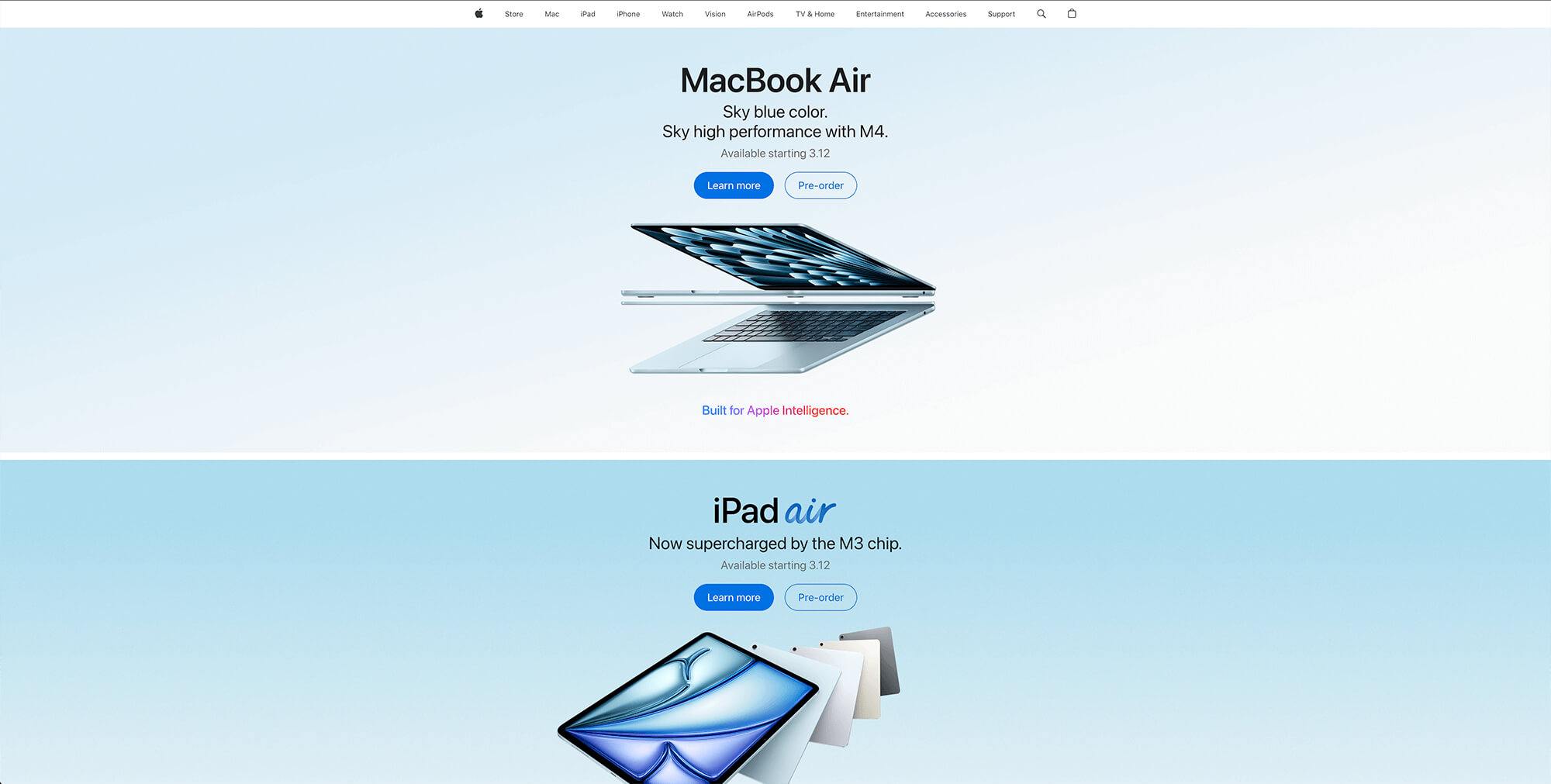
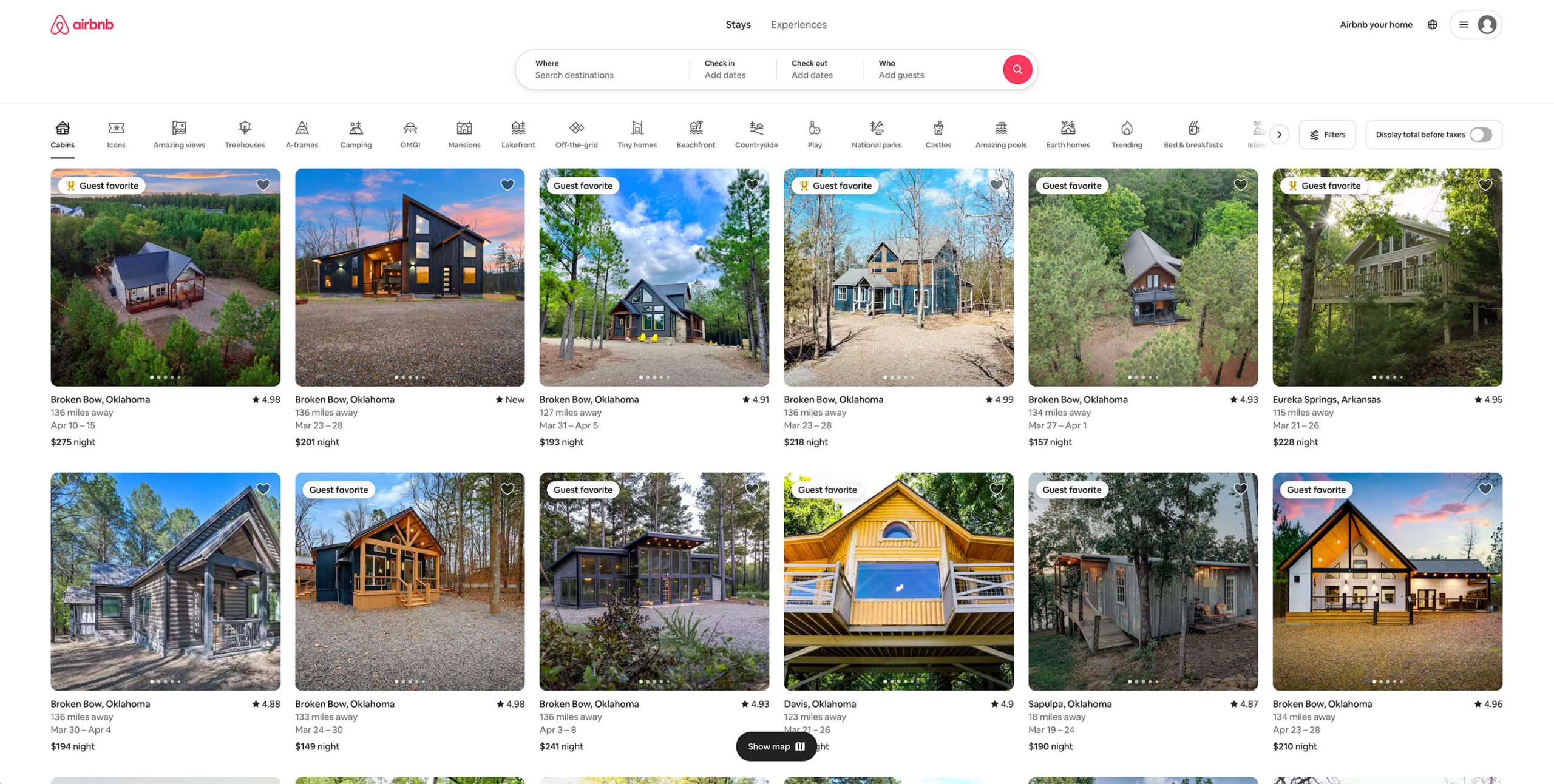
A minimalist approach helps in several ways:
- Improves readability and navigation by eliminating distractions.
- Speeds up page load times, reducing bounce rates.
- Enhances mobile responsiveness, adapting effortlessly to different screen sizes.
The takeaway? Strip down the unnecessary, focus on clarity, and create a frictionless user experience.
Dark Mode: Sleek, Modern, and User-Friendly
Dark mode isn’t just a trend—it’s becoming a default option across platforms. Big players like X, Instagram, and YouTube have embraced it, and users love it for its reduced eye strain and battery-saving benefits on OLED screens.
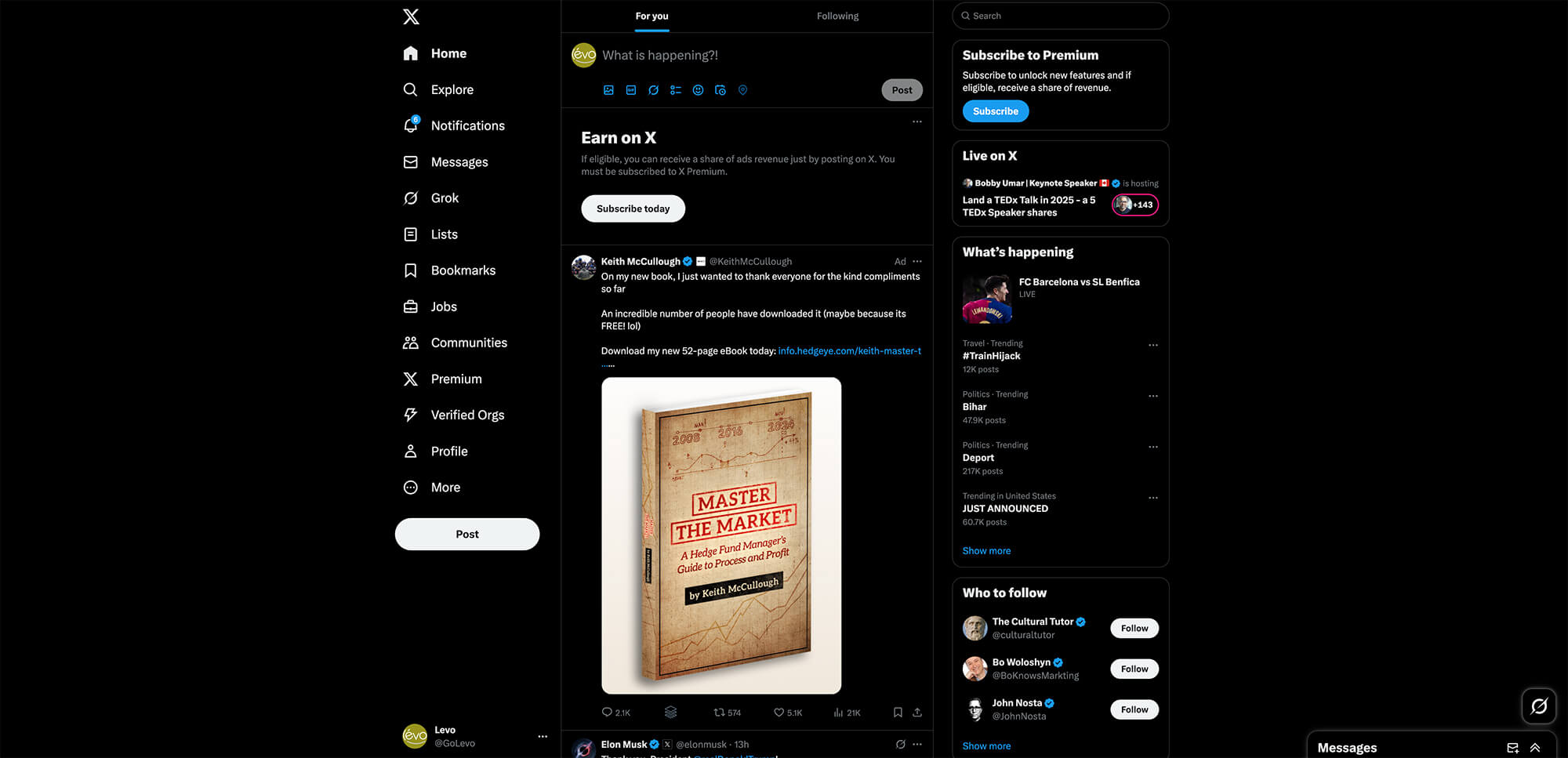
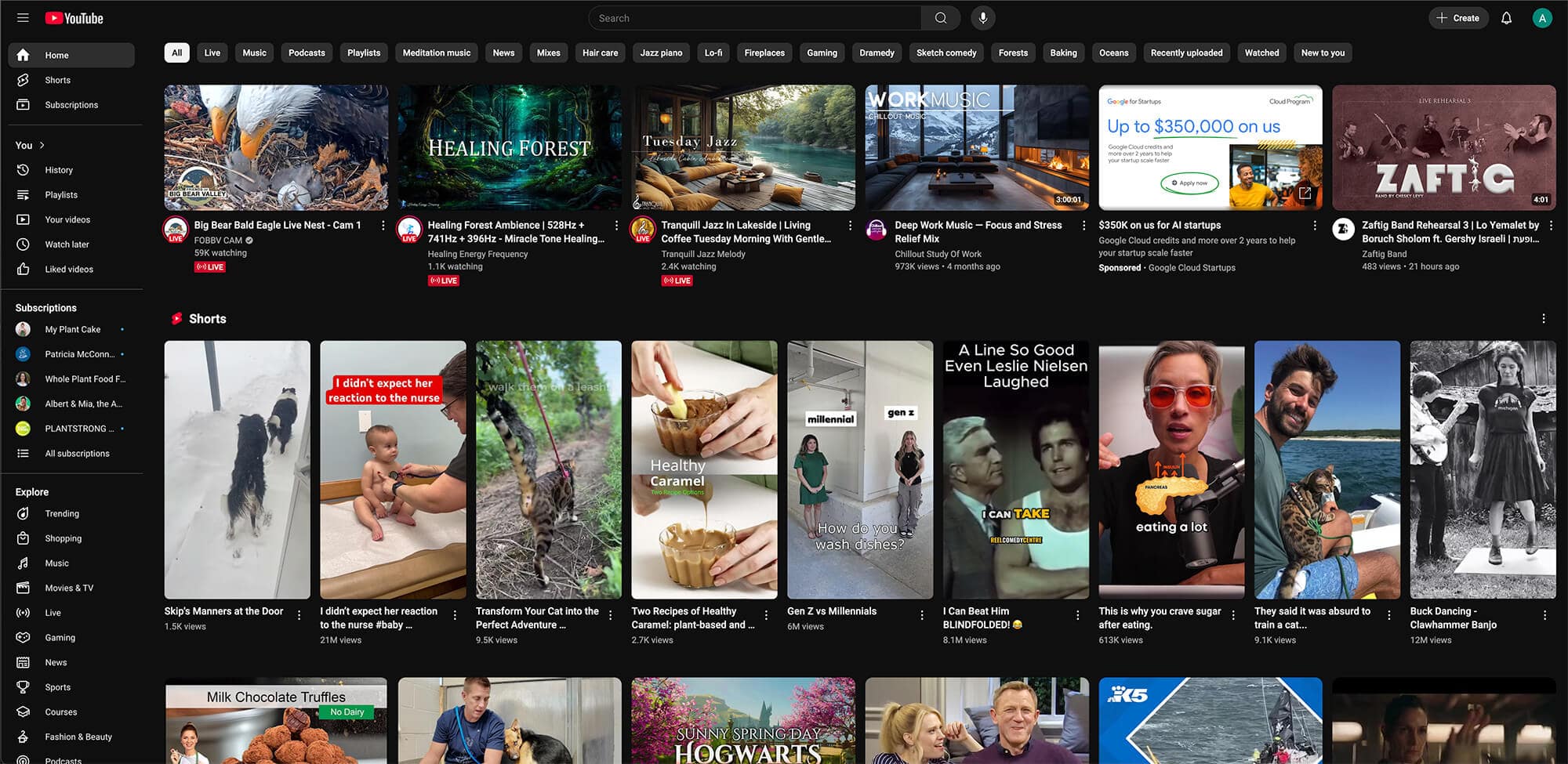
A well-executed dark mode design:
- Reduces blue light exposure, making late-night browsing easier on the eyes.
- Creates a sleek, modern look that feels premium and contemporary.
- Enhances contrast for vivid imagery and text that pops.
Pro tip: Ensure that dark mode designs maintain strong readability and accessibility. High contrast and smart color pairings are key.
Micro-Interactions: The Small Details That Make a Big Impact
Ever noticed the little animations when you like a post on Instagram or hover over a button? Those are micro-interactions—small but powerful elements that improve user engagement.
When done right, micro-interactions:
- Make interfaces feel more interactive and intuitive.
- Provide instant feedback (e.g., a button changes color when clicked).
- Encourage user action (e.g., subtle animations guiding navigation).
A prime example? Facebook’s reaction buttons—a simple interaction that adds depth to user engagement. Implementing subtle animations can create a smoother, more enjoyable user experience that keeps visitors on your site longer.
3D Visuals & Graphics: Next-Level Engagement
Flat design is making room for immersive 3D elements that add depth and realism to websites. Two great examples are Camp Suha and Chirpley.
From interactive product views on e-commerce sites to dynamic backgrounds, 3D design is enhancing visual storytelling.
- E-commerce platforms use 3D models to showcase products from all angles.
- Tech brands leverage 3D graphics for engaging hero sections.
- Gaming and creative industries use it for immersive user experiences.
While 3D elements can be striking, be mindful of performance—heavy graphics can slow load times. Optimize for speed to maintain user engagement.
Sustainability in Web Design: The Future is Green
Sustainability isn’t just for the environment—it’s a growing expectation in web design. As businesses become more eco-conscious, websites need to follow suit.
How to build a greener website:
- Use energy-efficient web hosting powered by renewable energy.
- Optimize images and code to reduce data load.
- Implement lazy loading so only necessary content loads first.
- Streamline your design to minimize energy consumption.
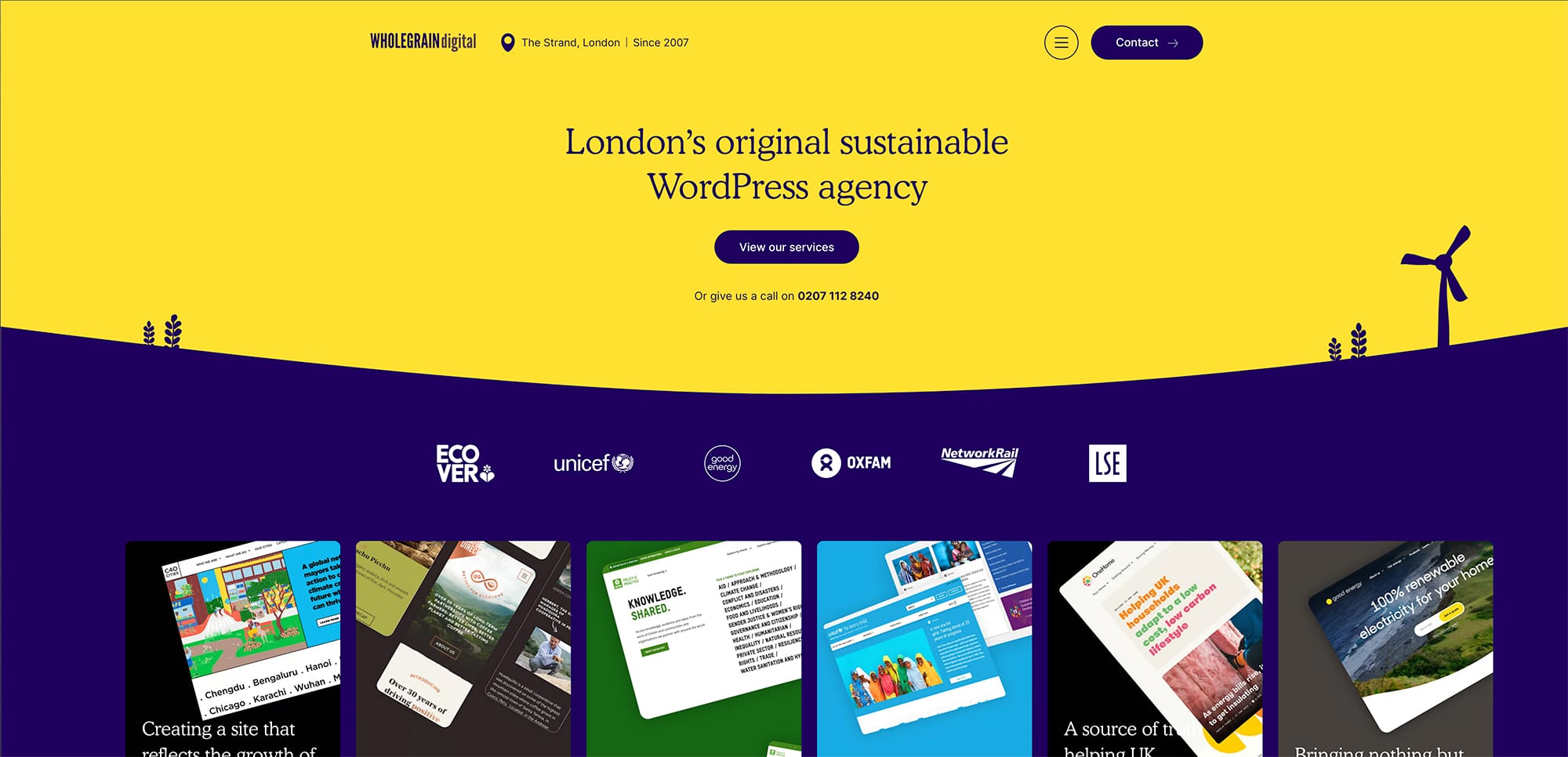
Brands like Wholegrain Digital are leading the way, providing tools to measure a website’s carbon footprint. A cleaner, leaner website isn’t just good for the planet—it also improves speed and user experience.
What’s Next? The Future of Web Design
Web design trends are continuously evolving, but one thing is clear: User experience is king. Whether it’s a minimalist layout, engaging micro-interactions, or an eco-conscious approach, the future of web design is about creating experiences that delight, engage, and perform.
The brands that win online are those that adapt quickly and stay ahead of the curve. Which of these trends will you be incorporating into your website next?
Stay Ahead of the Trends
Ready to give your website a refresh? Implement these cutting-edge design elements to stay competitive and deliver an outstanding user experience. If you need expert guidance, our team is here to help. Level up your website with Levo by scheduling a free 30-minute consult.
Let’s create something stunning.
